
When Is The Time to Replace Your HVAC System in Eastern North Carolina?
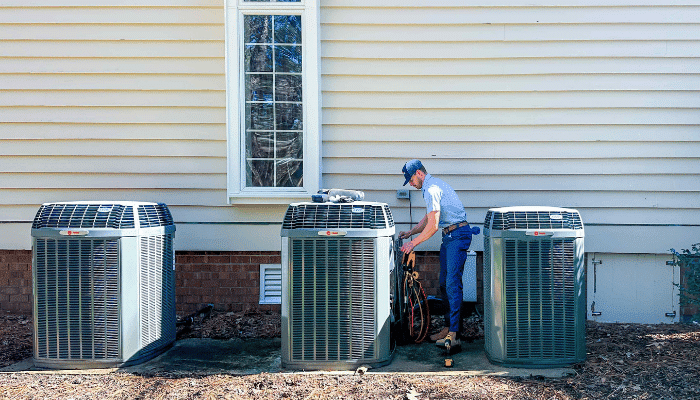
Your HVAC system works hard year-round to keep your home comfortable, but like any major appliance, it will eventually show signs of wear and tear. Knowing when to replace your system instead of continuing to repair it can save you money, improve comfort, and provide peace of mind.
Common Signs It May Be Time For An Upgrade:
Your system is 10–15 years old or older — As HVAC systems age, efficiency declines and breakdowns become more common. Older units often work harder to maintain temperatures, leading to increased energy usage and higher monthly utility bills. At this stage, planning ahead for air conditioning replacement or heating system replacement is often the smarter long-term choice.
Frequent repairs are becoming costly — If you are calling for repairs multiple times a year, those costs can quickly add up. A routine maintenance plan can identify small problems early, but once breakdowns become frequent, investing in a new system may be more cost-effective than continually repairing an aging unit.
Rising energy bills — An inefficient HVAC system uses more energy to heat and cool your home. If your utility bills continue to climb without changes in usage, your system could be losing efficiency.
Uneven temperatures throughout the home — Hot and cold spots, weak airflow, or rooms that never seem comfortable may indicate your system can no longer properly distribute air throughout the home.
Strange noises or odors — Grinding, banging, squealing, or musty odors are warning signs that components may be failing or the system is struggling to operate correctly.
Excess humidity or poor indoor air quality — A properly functioning HVAC system helps control humidity and improve indoor air quality. Older systems may allow excess moisture, along with dust, allergens, and pollutants, to circulate throughout the home.
Benefits of Upgrading Your HVAC System
- Improved energy efficiency
- Lower monthly utility costs
- Better airflow and comfort
- Quieter operation
- Enhanced indoor air quality
- Increased reliability during extreme weather
- Smart thermostat compatibility and modern technology features
Many homeowners also choose to replace their system before a major breakdown occurs, helping them avoid emergency situations during the hottest or coldest times of the year.
A professional HVAC evaluation can help determine whether repairing or replacing your system is the best option for your home, comfort needs, and budget. Investing in a new system today can provide long-term savings, greater comfort, and dependable performance for years to come.
HVAC Rebates and Incentives
Homeowners replacing an HVAC system may qualify for a variety of rebates, tax credits, and incentives that can help reduce the overall investment. Available programs often vary by equipment type, efficiency ratings, utility provider, manufacturer promotions, and location.
Common HVAC rebates and incentives may include:
Utility company rebates — Many power companies offer rebates for installing energy-efficient HVAC equipment such as high-SEER air conditioners, heat pumps, or smart thermostats.
Manufacturer promotions — HVAC manufacturers frequently provide seasonal promotions, cash-back offers, extended warranties, or special financing options on qualifying systems.
State and local energy programs — Some states and municipalities offer additional incentives for upgrading to energy-efficient systems that reduce overall energy consumption.
Federal Energy Efficiency Tax Credits — Federal energy efficiency tax credits are not always available, but when offered, qualifying high-efficiency heating and cooling systems may be eligible. These incentives can help offset a portion of the installation cost and improve the overall value of your investment.
Smart thermostat incentives — Installing compatible smart thermostats may qualify for additional rebates while also helping homeowners better manage energy usage and monthly costs.
Heat pump incentives — Because heat pumps are highly energy efficient, they often qualify for some of the largest available rebates and tax incentives.
Potential benefits of taking advantage of rebates and incentives:
- Lower upfront installation costs
- Reduced long-term energy expenses
- Increased home comfort and efficiency
- Faster return on investment
- Access to advanced energy-saving technology
Because rebate programs and qualifications can change throughout the year, homeowners are encouraged to work with a trusted HVAC professional who can help identify current offers, available financing options, and equipment that meets incentive requirements.